
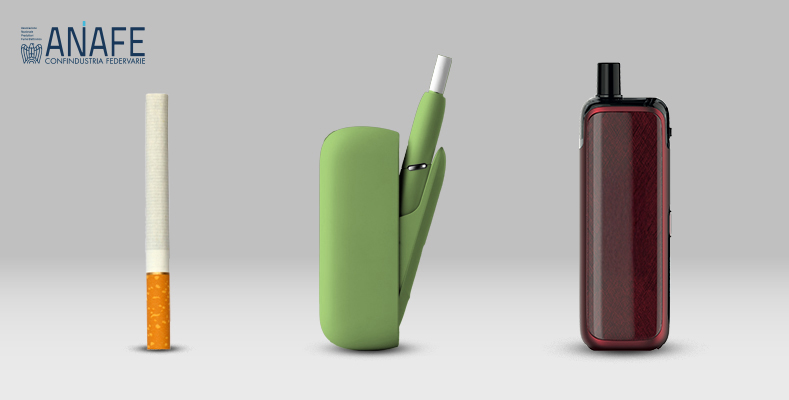
Traditional Cigarette, Heated Tobacco and E-Cigarette: Technical Analysis and Scientific References
Traditional cigarette, heated tobacco, or electronic? For smokers, choosing a potentially less harmful alternative is a maze of conflicting information, aggressive marketing, and prejudice. But what does science say?
To clarify matters, a certified laboratory conducted an in-depth study, analyzing the effects of these three products including on human lung cells. The results were then examined by a team of six experts, including university professors, chief physicians, and specialists, with the aim of measuring the real damage.
This article reveals, clearly and directly, the 5 most surprising truths that emerged from this research. Scientific data that outline a risk hierarchy very different from what many would expect.
The Traditional Cigarette: An Absolute and Underestimated Risk
Everyone knows that cigarettes are harmful, but the real scale of the danger is often underestimated. The research confirms that combustion smoke is a lethal cocktail. Every puff introduces over 4,000 toxic substances and more than 70 known carcinogens into the body.
These include compounds such as butadiene, benzene, cadmium, lead, mercury, and vinyl chloride. The experts are categorical: it is the leading cause of chronic and devastating lung diseases (such as COPD) and has been bluntly described as "the devil." On a risk scale from 0 to 100, where 0 is the absence of risk and 100 is the maximum possible harm, the traditional cigarette is positioned, unequivocally, at 100.
IQOS: It’s Not Vapor, It’s Heated Tobacco at High Temperature
The key concept that distinguishes IQOS is the absence of combustion: the tobacco does not burn but is heated. However, it is essential to understand at what temperature this process occurs: 350°C. As highlighted by one of the specialists, at such a temperature "anything gets charred."
This means that, although the risk profile is reduced compared to combustion, it is not zero. IQOS still contains tobacco, a factor that keeps nicotine addiction active and continues to burden the cardiovascular system, increasing the "circulatory fatigue of the heart." The experts harshly criticized the narrative of some manufacturing companies.
Now tobacco companies with this product position themselves as champions of good health. In reality, IQOS still contains tobacco, the addiction remains.
The Risk Scale: A Staggering Difference
The core of the study lies in the direct comparison of the risk profile of the three products. According to the experts' analysis, the difference is not marginal but abyssal. Below is the summary of values provided by the expert panel, which outlines a clear consensus on the risk hierarchy:
• Traditional Cigarette: Risk 100
• IQOS (Heated Tobacco): Risk between 20 and 40
• E-Cigarette: Risk between 2 and 15
These numbers highlight how the e-cigarette, according to the tests carried out, represents a drastic harm reduction not only compared to traditional smoking but also relative to heated tobacco.
E-Cigarette: An "Almost Absolute" Safety Profile
The results regarding the e-cigarette were the most positive. In the analyses, it was found to be "much better than traditional cigarettes and also better than IQOS." The measured benefits were concrete: carbon monoxide, a toxic gas typical of combustion, returns to normal levels.
The evidence led one of the specialists to state: "Objectively, the e-cigarette has a very high safety profile, I would say almost absolute." When directly asked whether it releases carcinogenic substances, the researchers' response was clear: "No, I don't think there are such serious conditions," while the detected heavy metals were described as "clinically irrelevant." This safety profile led the experts to actively recommend it as the main harm reduction tool: "We regularly direct people toward the e-cigarette." The impact on public health, if this approach were adopted on a large scale, would be enormous.
If all smokers switched to vaporizers, we would not only see the collapse of lung cancer rates but also the collapse of many problems concerning health in general.
A safety profile that, according to experts, could revolutionize public health. Yet, in the face of this data, institutional perception remains inexplicably wary.
The Institutional Paradox: Why So Much Distrust?
Despite the scientific evidence from the study, the e-cigarette is still viewed with suspicion by some institutions, such as the Italian Ministry of Health. How is this possible? One of the interviewed experts offers a blunt explanation: "lack of knowledge."
This attitude of distrust is in stark contrast with that of other countries. The British government, for example, not only approves but actively promotes the use of e-cigarettes as a tool for quitting traditional smoking, to the point of "advertising for it," as one expert emphasizes. This pragmatic approach is supported by a significant part of the scientific community, so much so that an "international commission supporting the use of e-cigarettes as a method for quitting smoking" has been established.
Is Harm Reduction the Way Forward?
The message that emerges from this rigorous scientific analysis is unequivocal: not all smoking alternatives are equal. There is a clear and measurable risk hierarchy, which sees the e-cigarette as an option with drastically reduced harm compared to the absolute danger of combustion.
The fight against smoking is a global priority, and ignoring tools with such well-documented harm reduction potential is not just a missed opportunity but a calculated risk to citizens' health. In light of this evidence, the question is not whether, but how to integrate the e-cigarette into fundamental public health strategies.